Trade Show Giveaway Customization Guide for Offline Brand Promotion

Trade Show Giveaway Customization Guide: How Event Merchandise Turns Offline Promotion Into Leads

Overview

Trade show giveaway customization turns offline promotion into a longer-lasting brand touchpoint. The right event merchandise can attract booth traffic, make visitors remember the brand, support customer conversations and create a natural reason for post-event follow-up. For trade shows, launch events, pop-ups, distributor meetings, anime conventions, tourism events and corporate visits, custom giveaways are not just small gifts. They are part of the lead-generation system.

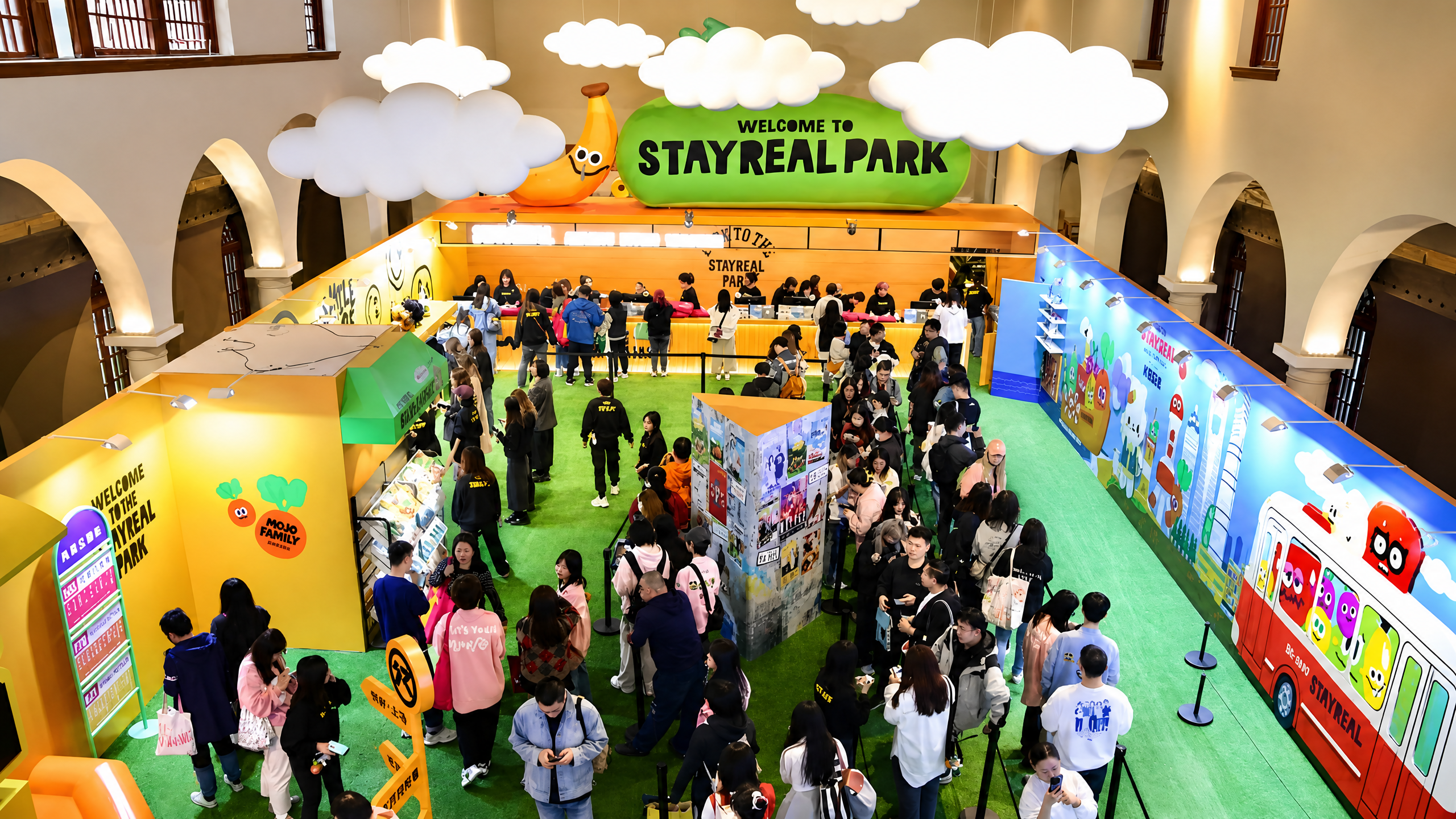
Custom trade show giveaway booth scene with anime-style acrylic keychains, button pins, photo cards, blind boxes and plush mascots

What Trade Show Giveaway Customization Means

Trade show giveaway customization means applying a brand identity, campaign theme, product message, IP artwork or event story to physical merchandise for offline promotion. Common products include acrylic keychains, button pins, acrylic standees, stickers, postcards, tote bags, fridge magnets, commemorative badges, gift boxes and corporate promotional gifts.

Compared with ready-made promotional gifts, custom event merchandise focuses more on brand recognition, visual consistency, audience fit and follow-up value. A giveaway should help visitors remember who you are, what you offer and why the conversation matters after the event ends.

Why Offline Events Need Custom Merchandise

At a trade show, visitors meet many booths, collect many brochures and hear many similar sales pitches. A brand that only depends on verbal introduction is easy to forget. Custom giveaways extend the interaction beyond the booth.

A tote bag with strong brand visuals can move around the exhibition hall as a walking advertisement. A well-designed button pin can become an interaction trigger. A packaged event gift set can make a prospect feel that the brand is organized and professional. A souvenir connected to the product story can remind the customer of the meeting when they return to the office.

Where Custom Event Merchandise Works Best

Offline scenarioRecommended giveaway directionMain goal
Industry trade showsTote bags, acrylic keychains, button pins, product cards, small gift boxesAttract booth traffic and support business conversations
Product launchesBrand gift sets, commemorative cards, display items, sample kitsStrengthen product memory and brand quality perception
Distributor meetingsPremium corporate gifts, packaged samples, branded merchandise setsBuild trust and support sales follow-up
Anime and IP eventsAcrylic standees, button pins, keychains, collectible cards, stickersIncrease collectability and fan participation
Tourism and cultural eventsFridge magnets, commemorative badges, postcards, city-themed gift setsCarry local memory and souvenir value
Pop-up campaignsCheck-in gifts, limited merchandise, interactive giveaway setsCreate social sharing and on-site engagement
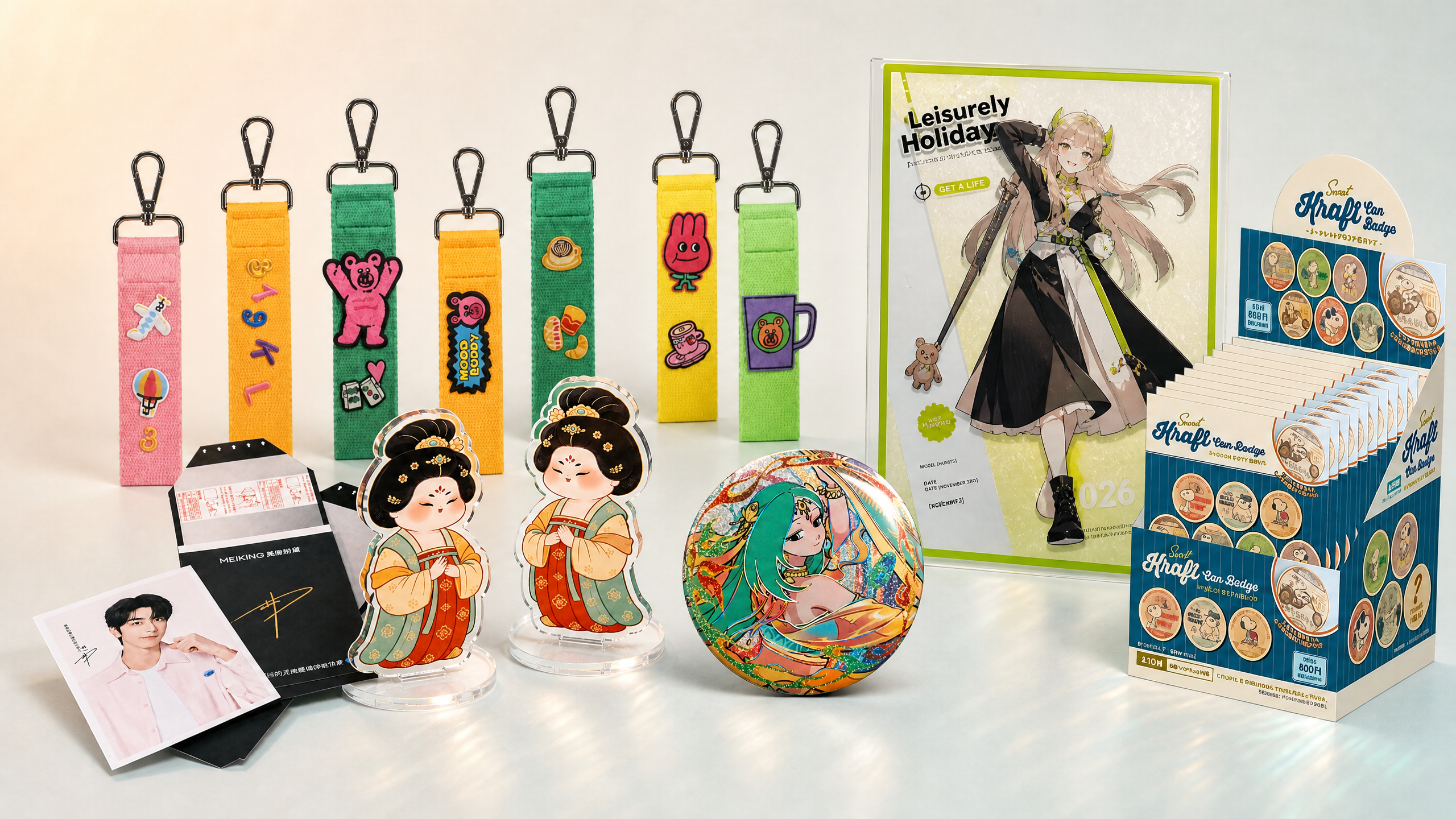
Onsite trade show giveaway display table with acrylic charms, button badges, acrylic standees, photo cards, blind boxes and plush toys

How To Choose The Right Trade Show Giveaway

Do not choose a giveaway only by unit price. Start with the event goal, visitor type and distribution method. A product for general booth traffic should be easy to carry, quick to distribute and visually clear. A product for high-value prospects should feel more intentional and may include a sample, a brand card and custom packaging.

If the goal is booth traffic, use lightweight items such as stickers, button pins, printed cards, acrylic keychains and tote bags. If the goal is lead conversion, prepare a more complete event gift set with product information and packaging. If the goal is IP or fandom engagement, use collectible acrylic standees, character badges, trading cards and limited-edition sets.

Common Event Merchandise Product Options

Product typeBest audienceAdvantagesWhat to confirm
Acrylic keychainsVisitors, fans, trade show attendeesLightweight, flexible for multiple designs, easy to distributeArtwork clarity, accessory strength and individual packaging
Button pinsInteractive campaigns, conventions, brand eventsCost-effective and suitable for series designsSize, backing style and surface finish
Acrylic standeesIP events, display gifts, desk accessoriesStrong display value and good photo potentialThickness, base structure and cut edge quality
Tote bagsTrade show kits and event gift bagsPractical and useful as mobile brand exposurePrint color, fabric weight, size and carrying strength
Postcards, stickers and printed cardsLarge-volume distribution and brand storytellingFlexible budget and useful for content communicationPaper stock, lamination, color and set combination
Fridge magnets and commemorative badgesTourism, museums and cultural eventsStrong souvenir value and long-term retentionTheme, material, magnet strength and packaging
Gift box setsVIP customers, distributor meetings, launch eventsHigher perceived value and stronger relationship-building effectInsert tray, box structure, packing safety and shipping volume

The Customization Workflow From Idea To Delivery

Trade show projects have fixed deadlines, so workflow control matters as much as product selection. Plan backward from the event date and reserve enough time for artwork, sampling, production, inspection, packing and shipping.

StepWhat to confirmOutput
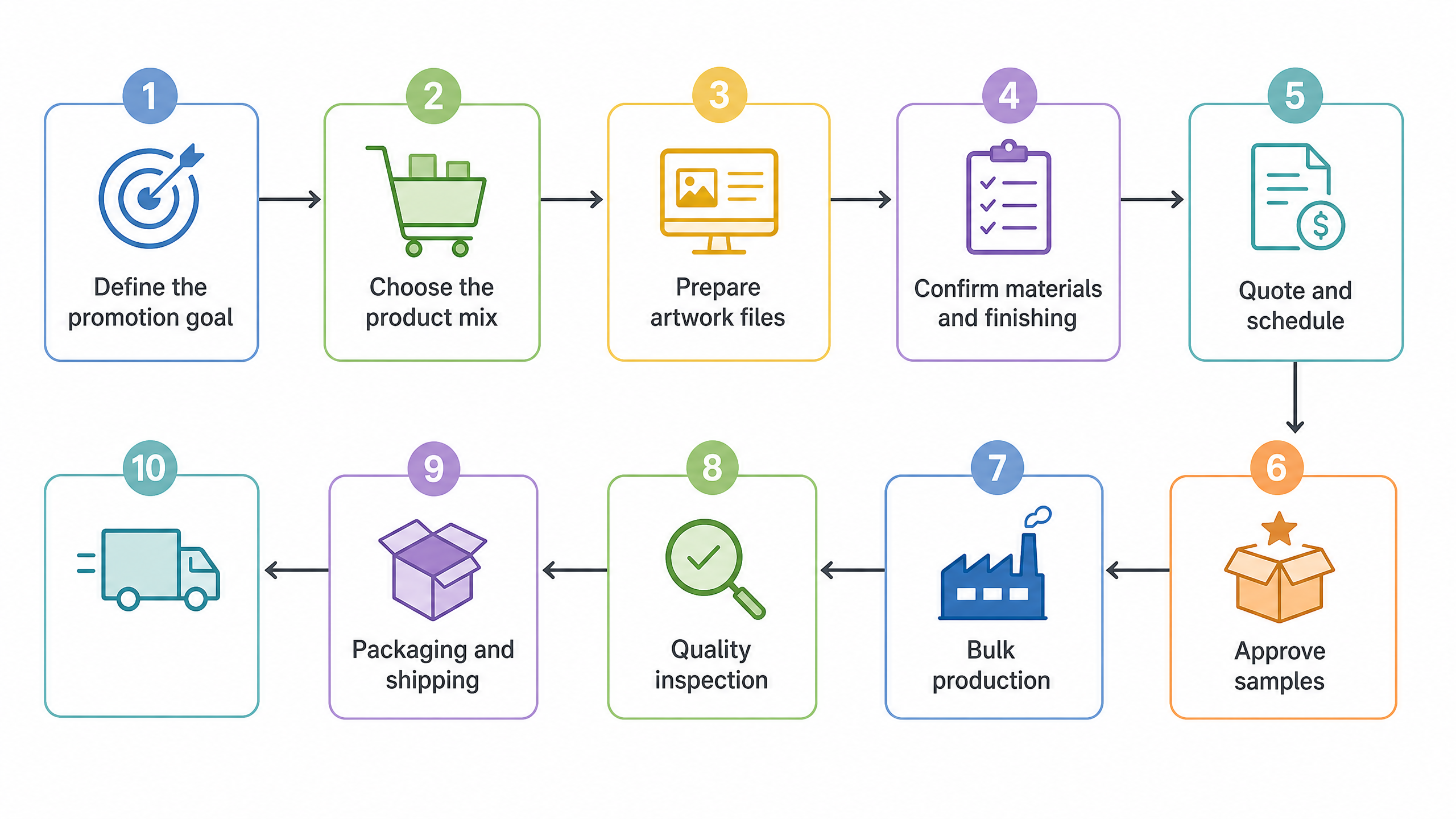
Define the promotion goalEvent type, target audience, distribution method and budget rangeGiveaway strategy and product direction
Choose the product mixSingle item, gift set or different tiers for different visitorsProduct list and quantity plan
Prepare artwork filesLogo, brand colors, campaign theme, artwork, copy and usage rightsProduction-ready design files
Confirm materials and finishingSize, thickness, printing method, surface effect, accessories and packagingProduction specification
Quote and scheduleQuantity, packaging, deadline and shipping destinationQuotation and lead-time plan
Approve samplesColor, size, texture, accessories and packaging detailsApproved pre-production sample
Bulk productionProduction according to approved sample and specificationsMass-produced merchandise
Quality inspectionAppearance, quantity, packaging, carton marks and labelsShipment approval
Packaging and shippingIndividual packing, gift set assembly, cartons and delivery timingOn-time arrival before the event
Text workflow chart for custom trade show giveaway production from event goal to quality inspection, packing and shipping

Why Packaging Affects Event Conversion

Many brands spend most of the budget on the product and leave packaging until the end. This is risky because packaging directly shapes the customer's first impression. For trade show giveaways, distributor gifts and VIP event merchandise, packaging is both protection and brand presentation.

Simple products can be packed in individual OPP bags, backing cards, hang tags, or stickers. Higher-value gifts can use paper boxes, drawer boxes, rigid boxes, insert trays, and thank-you cards. For trade show kits, brand brochures, product cards, and merchandise can be packed together, giving visitors a complete information set instead of separate loose items.

How To Turn Giveaways Into Leads

Giveaways should connect with the event interaction system. Instead of handing out gifts randomly, connect them with QR-code registration, check-in photos, surveys, sample trials, stamp collection, business-card exchange or booked meetings.

General visitors can receive lightweight giveaways. Qualified prospects can receive a more complete information kit. VIP customers can receive premium gift sets or packaged product samples. This keeps the cost under control while making the giveaway part of lead qualification.

After the event, the sales team can follow up based on registration data, interaction records and booth conversations. The giveaway becomes a memory trigger, making it easier for the customer to remember the brand and the discussion.

What To Prepare Before Requesting A Quotation

To get an accurate quotation from a custom merchandise factory, prepare the event type, product direction, quantity, size, material, artwork files, packaging method, deadline, shipping destination and budget range.

  • Event type: trade show, launch event, distributor meeting, pop-up campaign, fandom event or tourism promotion.
  • Product direction: keychains, button pins, tote bags, standees, magnets, gift boxes or a combined giveaway set.
  • Quantity: quantity per design, total quantity and whether split shipment is needed.
  • Artwork files: logo, AI/PDF/SVG files, high-resolution artwork, brand colors and licensing notes.
  • Packaging: individual bag, backing card, paper box, gift box, carton label and packing method.
  • Delivery: event date, latest arrival date, shipping city and destination country.

Example inquiry: We need 3,000 custom event giveaway sets for a trade show. The set may include acrylic keychains, button pins, postcards and tote bags with consistent brand visuals and individual packaging. The event date is October 20, and the goods should arrive in Tokyo, Japan before the show. Please provide sample cost, MOQ, unit price, production lead time, packaging suggestions and shipping time.

Advantages Of Working With A Custom Merchandise Factory

A custom merchandise factory is more suitable than ready-made gift purchasing when the project needs brand identity, campaign artwork, bulk delivery and consistent quality. The factory can adjust product size, material, artwork, finishing, packaging and carton details around the event goal.

For brands that attend trade shows regularly, run offline campaigns, develop IP merchandise or prepare corporate gifts, a stable factory partner can keep approved samples and production standards for future reorders, seasonal updates and series development.

Common Mistakes

MistakeBetter approach
Only chasing the lowest unit priceMatch budget to visitor tiers and promotion goals
Ordering too close to the event dateSchedule artwork, sampling, production, packing and shipping backward from the event
Using inconsistent brand visualsConfirm logo, colors, artwork and packaging rules before sampling
Giving the same item to every visitorUse different giveaways for general visitors, qualified prospects and VIP customers
No follow-up system after gift distributionConnect gift claiming with QR registration, meetings and sales follow-up

FAQ

How early should trade show giveaways be customized?

Start as early as possible, especially if the project needs sampling, custom packaging, multiple designs or international shipping. The event date is fixed, so design, sampling, production, inspection, packing and delivery should be scheduled backward from the required arrival date.

Can brands create event merchandise with a limited budget?

Yes. Brands with a limited budget can start with lightweight products such as button pins, stickers, postcards, printed cards and acrylic keychains, then improve perceived value with consistent visual design, backing cards or simple individual packaging.

What is the difference between trade show giveaways and regular promotional gifts?

Regular promotional gifts often focus on cost and distribution. Trade show giveaways should also support brand memory, customer engagement and lead follow-up, so they need stronger visual consistency, product selection and packaging planning.

Which products work well for offline promotion and booth traffic?

Button pins, acrylic keychains, stickers, printed cards, tote bags and small souvenirs work well for booth traffic because they are easy to carry, visually clear and simple to distribute. For higher-value prospects, brands can prepare gift sets or packaged sample kits.

Why work with a custom merchandise factory instead of buying ready-made gifts?

A custom merchandise factory can adjust artwork, size, material, finishing, packaging and product combinations around the event theme. This is better for brands that need consistent identity, bulk production, quality control and on-time delivery.

What information is needed for a trade show giveaway quotation?

Useful quotation details include event type, product type, quantity, size, material, artwork files, packaging method, deadline, shipping destination and budget range. Complete information helps the factory provide more accurate pricing and lead time.

Scroll to Top