Beginner's Guide to Custom Merchandise Manufacturing
Overview
Custom merchandise manufacturing is the process of turning character artwork, brand visuals, celebrity assets, event themes or cultural ideas into physical products at scale. Common products include acrylic standees, acrylic keychains, button pins, photocards, plush toys, PVC figures, fridge magnets, souvenirs and gift sets. A reliable project starts by defining the audience and use case, then moves through product selection, artwork preparation, materials, sampling, packaging, quality control and logistics.
What Custom Merchandise Manufacturing Means
Custom merchandise manufacturing means producing branded or character-based physical products in bulk. It is more than printing a logo. A strong project connects visual assets, audience demand, product material, finishing method, packaging and delivery planning into a product that can be sold, gifted, collected or shared.
For JingCrafts customers, this usually includes anime merchandise, game merchandise, celebrity merchandise, fan goods, cultural creative souvenirs, event giveaways, corporate gifts and souvenir products. Simple items include button pins, stickers, photocards and keychains. More complex items include plush toys, PVC figures, blind box series and gift sets.
Core Decision Table
| Key point | Practical insight |
|---|---|
| Product fit matters more than trend-chasing | Acrylic standees, photocards and button pins work well for fandom campaigns because they are visual, collectible and easy to develop as sets. |
| Artwork quality sets the production ceiling | Clear vector files, high-resolution images and accurate color references reduce sample revisions and color issues. |
| MOQ is not only about price | Minimum order quantity is affected by material purchasing, tooling, printing, packaging and manual assembly. |
| Sampling reduces risk | A pre-production sample confirms size, color, surface finish, accessories and packaging before bulk production. |
| Packaging adds product value | For collectibles, retail goods and event gifts, packaging directly shapes perceived value and repeat purchase intent. |
Who Should Use Custom Merchandise
Any brand can use custom merchandise when its audience wants to keep a character, artist, event, place or brand memory in physical form. Merchandise is not just inventory. It turns emotion, identity and memory into tangible products.
- Anime, game and original IP owners can develop acrylic standees, badges, keychains, photocards, figures and collectible sets.
- Celebrities, K-pop groups, idol teams and agencies can create fan goods, concert merchandise, photocards, support items and limited gift boxes.
- Museums, attractions, city tourism brands and cultural institutions can create fridge magnets, commemorative badges, keychains, postcards, souvenir gifts and cultural gift sets.
- Trade shows, launches, sports events and brand campaigns can prepare giveaways, VIP gifts, badge sets, lanyards, stickers and themed gift packs.
- Trading companies, agencies and brand service providers can work with an OEM merchandise manufacturer for multiple bulk custom projects.
How to Choose the Right Product Type
Do not choose a product only because it is popular. Start with the use case. Is the product for fan collection, trade show giveaways, concert sales, tourism retail or corporate gifting? Each scenario changes the budget, size, packaging, timeline and shipping method.
| Product type | Best for | Why choose it | Article angle |
|---|---|---|---|
| Custom acrylic standee | Anime, game, idol and character IP | Strong display value, suitable for character art and collectors | How to choose size, thickness and base for acrylic standees |
| Custom acrylic keychains | Fan goods, event giveaways and retail small goods | Lightweight, affordable and easy to create in many designs | Acrylic keychain manufacturing process guide |
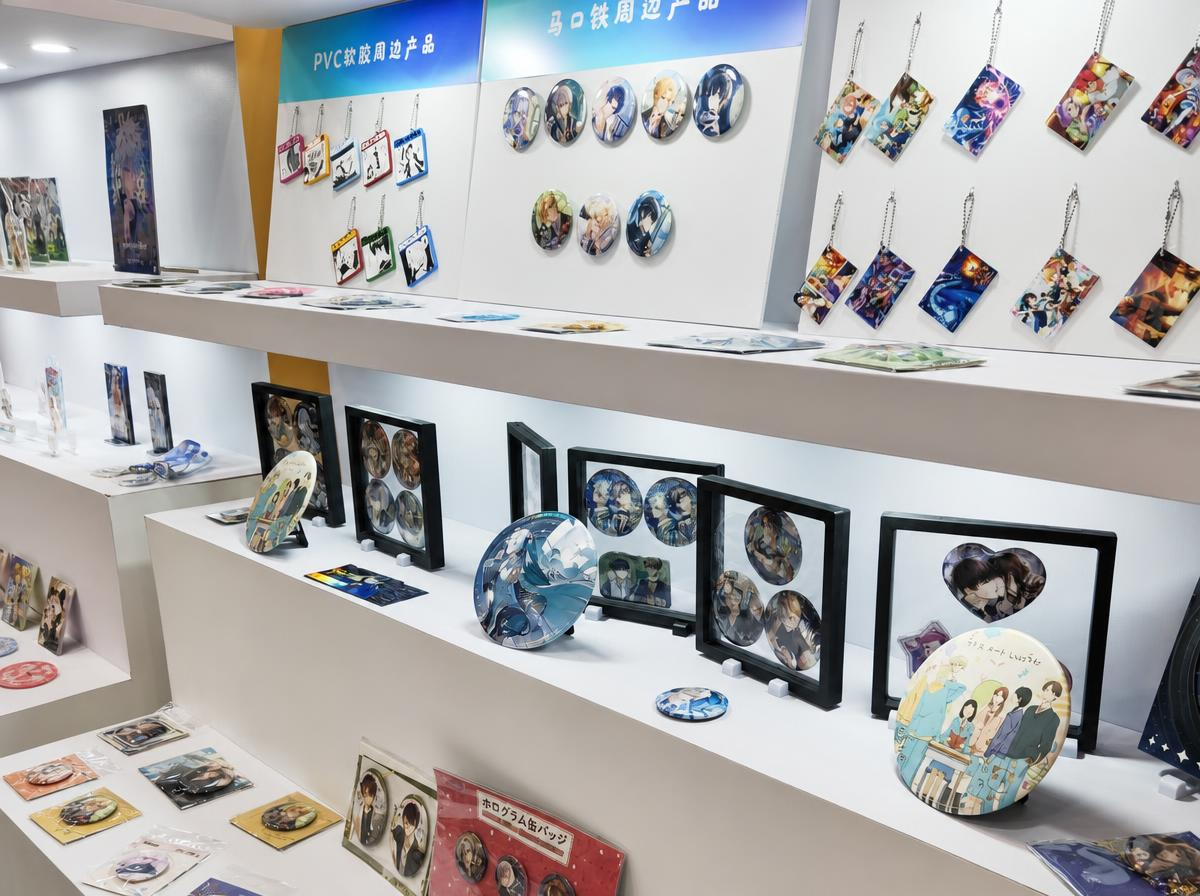
| Custom button pins | Conventions, concerts, launches and fan events | High visual recognition and suitable for multi-design sets | Button pins vs enamel pins for merchandise |
| Custom photocards | K-pop, idols, anime characters and collectible sets | Strong collectible value and suitable for random or limited sets | Photocard size, paper, lamination and packaging guide |
| Custom plush toys | Mascots, character IP and premium gifts | High emotional value and strong gift appeal | What artwork is needed for plush toy manufacturing |
| Custom PVC figures | Premium collectibles, character models and IP launches | Strong detail expression, but higher sampling and tooling requirements | PVC figure production workflow and cost factors |
| Custom fridge magnets | Souvenirs, museums and city gifts | Light, practical and suitable for local design elements | How attractions and museums can develop fridge magnet souvenirs |
| Custom souvenirs and gift sets | Corporate events, tourism retail and conference gifts | Suitable for expressing stories, identity and commemorative value | How to balance budget and quality for custom gift sets |
Product Logic for Anime, Idol and Souvenir Merchandise
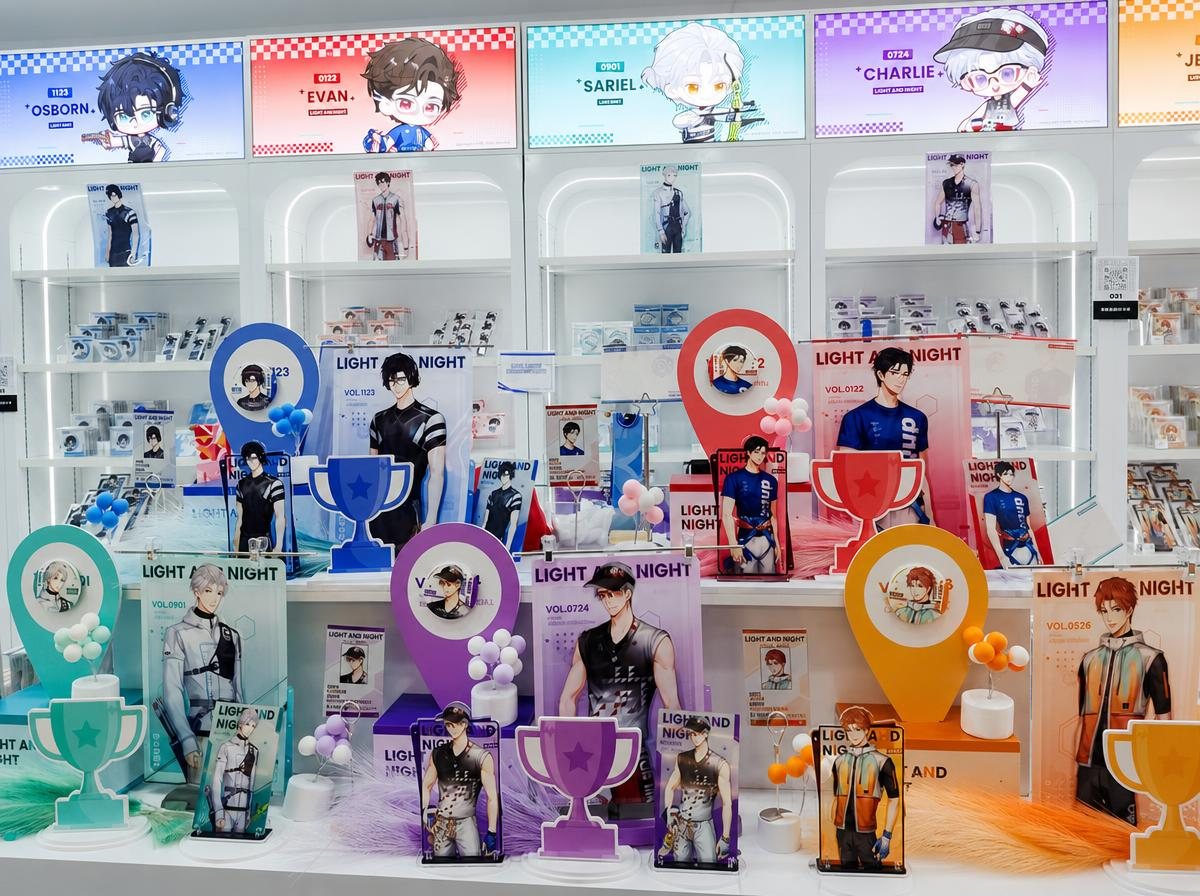
Anime and game merchandise depends on character recognition. The product should show the character clearly, preserve the art style and make collecting easy. Acrylic standees, acrylic charms, button pins, photocards and trading cards are strong first products because they can support multiple characters, poses, outfits and limited editions.
Celebrity and idol merchandise depends on identity and participation. Fans want to show support, trade collectibles, join events and buy limited items. Photocards, acrylic keychains, badges, concert goods, support items and gift boxes work well for this use case.
Souvenirs and cultural creative products depend on memory. The product should remind people of a place, exhibition, landmark or trip. Fridge magnets, commemorative badges, keychains, postcards, gift boxes and craft-inspired products can turn cultural stories into collectible goods.
The Basic Workflow From Design to Mass Production
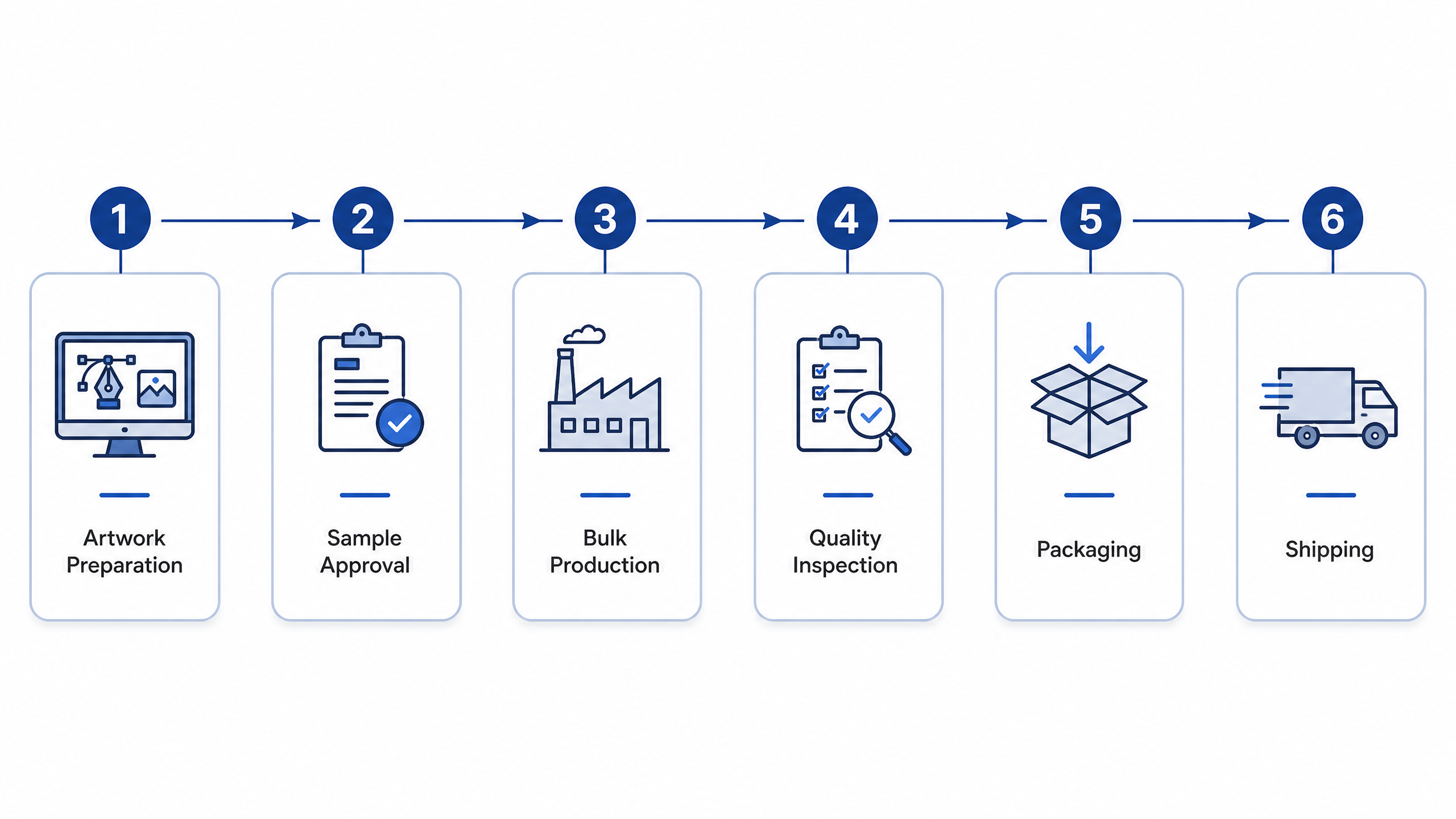
A reliable custom merchandise project follows a clear process. The clearer the workflow, the fewer sample revisions, the lower the production risk and the easier it is to control delivery time.
| Step | What happens | What to prepare |
|---|---|---|
| Define the goal | Confirm whether the product is for sales, giveaways, fan support, exhibitions, souvenirs or gift sets. | Audience, quantity, budget range and delivery date. |
| Choose product type | Select acrylic, paper, metal, plush, PVC, magnet or gift set format. | Reference images, size preference, use case and desired quality. |
| Prepare artwork | Convert the idea into production-ready files and confirm print area, cut line and colors. | AI, PDF, SVG or high-resolution PNG files, colors and licensing notes. |
| Confirm materials and finishing | Choose thickness, printing method, surface effect, accessories and packaging. | Material preference, special finish, packaging idea and safety needs. |
| Quote and schedule | The factory estimates price and lead time based on size, quantity, finish, packaging and destination. | Quantity, size, packaging, destination country and deadline. |
| Sample approval | Make samples and check size, color, surface, accessories and packaging. | Feedback, revision notes and final approval record. |
| Mass production | Produce in bulk based on the approved sample and specifications. | Final files, order confirmation, payment plan and logistics details. |
| Inspection and shipment | Check products, packaging, carton marks and quantity before shipment. | Inspection standard, carton marks, shipping method and warehouse details. |
Artwork Files, Materials, MOQ and Cost Factors
Many custom production problems happen before the factory starts production. Unclear artwork, uncertain size, missing packaging details and vague quantity ranges can lead to inaccurate quotations, repeated sampling and delayed delivery.
| Item | Recommended preparation | Why it matters |
|---|---|---|
| Artwork files | AI, PDF, SVG or high-resolution PNG files. | Clear files reduce printing and cutting errors. |
| Color standards | Pantone codes or physical samples for important colors. | Screen colors can differ from printed colors. |
| Dimensions | Width, height, thickness, accessory position and tolerance. | Size affects material, packaging, weight and shipping cost. |
| Quantity | Target order quantity and possible reorder plan. | MOQ and unit price are linked to setup cost. |
| Packaging | OPP bag, backing card, color box, blind bag, gift box or retail packaging. | Packaging affects cost, perceived value and warehouse handling. |
| Delivery date | Event date, launch date or warehouse arrival date. | Production, inspection and shipping must be planned backward. |
| Compliance needs | Confirm market requirements for toys, children's products and retail goods. | Different markets may require different material and safety standards. |
What Affects MOQ and Unit Cost
MOQ and unit cost are shaped by material purchasing, tooling, printing method, finishing, manual assembly, packaging complexity and inspection requirements. Simple stickers, button pins or paper cards usually have more flexible starting quantities. Plush toys, PVC figures, complex metal items and custom packaging usually need more sampling time and higher starting quantities.
- Product size and thickness affect material use, packing volume and shipping cost.
- Material choice changes both price and sampling difficulty, especially for acrylic, metal, plush and PVC products.
- Printing, coating, glitter, epoxy, laser cutting and other finishes can change setup cost and lead time.
- Individual packaging, backing cards, barcodes, gift boxes and blind box combinations increase assembly and inspection work.
- More complex shapes, multiple SKUs or strict color matching usually require more sample confirmation before mass production.
Packaging, Quality Control and Delivery
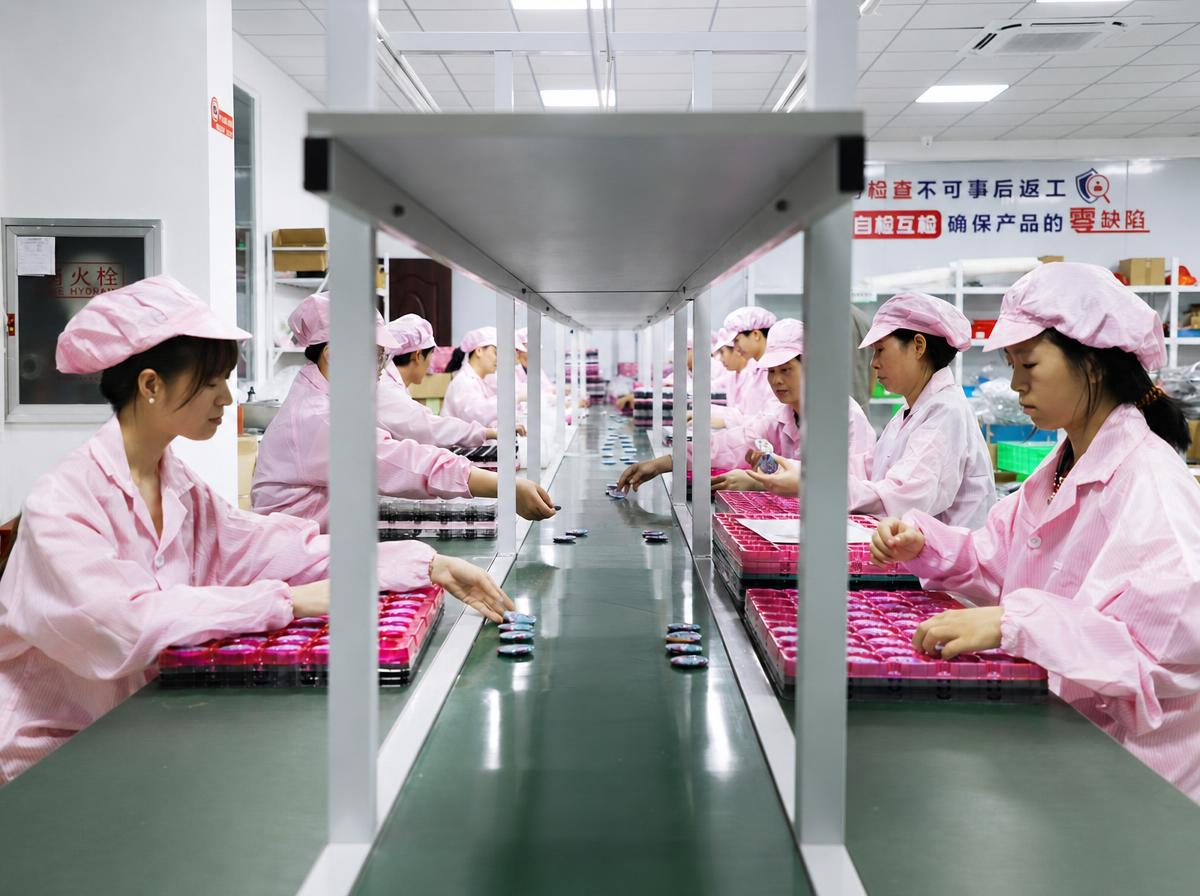
Packaging and quality control should be confirmed before mass production, not fixed after production. For collectibles, tourism souvenirs and retail products, packaging protects the item and also shapes the customer's first impression of value.
| QC item | What to check | Why it matters |
|---|---|---|
| Color | Compare against approved sample, artwork or Pantone reference. | Keeps character, brand and series consistency. |
| Surface | Check scratches, stains, bubbles, dents and print marks. | Collectibles and retail goods are sensitive to appearance. |
| Edges and cutting | Inspect acrylic edges, paper trimming, metal edges and shape accuracy. | Affects safety and perceived quality. |
| Accessory strength | Test key rings, pins, chains, magnets, bases and clasps. | Reduces breakage and after-sales issues. |
| Packaging | Check bags, backing cards, boxes, barcodes, labels and set combinations. | Critical for retail, blind boxes and warehouse intake. |
| Carton marks | Confirm SKU, quantity, destination, carton number and handling marks. | Reduces warehouse and logistics errors. |
Common Mistakes
First-time buyers often focus only on unit price. Price matters, but poor product fit, weak packaging, missing samples and underestimated timelines can make the final project more expensive.
| Mistake | Better approach |
|---|---|
| Asking for the lowest price before defining the use case. | Define sales, giveaway, fan support, souvenir or retail use first. |
| Using low-resolution images for production. | Provide vector files or high-resolution artwork with cut lines and print areas. |
| Deciding packaging at the end. | Packaging affects size, cost, perceived value, barcode and warehouse handling. |
| Skipping samples before mass production. | New products, new materials, new suppliers or important event orders should be sampled first. |
| Comparing only unit price. | Also compare product experience, communication, sampling ability, QC standards and delivery capability. |
How to Communicate With an OEM Merchandise Manufacturer
When contacting an OEM merchandise manufacturer, be specific. A useful inquiry should include product type, artwork, quantity, size, material, packaging, deadline and destination country. If the product is not finalized, provide reference images, budget range and use case so the manufacturer can recommend suitable options.
Example inquiry: We need 3,000 custom acrylic standees for an anime event in Japan. Height 100 mm, double-sided printing, clear acrylic, individual OPP bag with backing card, delivery to Japan before October 20. Please provide sample cost, MOQ, unit price and production lead time.
FAQ
What product should I start with for custom anime merchandise?
Acrylic standees, acrylic keychains, button pins and photocards are usually good entry products. They show character artwork clearly, work well as sets and are easier to produce than plush toys or PVC figures.
How early should I start a custom merchandise project?
Start as early as possible, especially when the product is tied to an event or launch date. Simple printed items are faster, while tooling, plush samples, custom packaging and strict QC require more time.
What design files are needed for custom merchandise?
Vector files such as AI, PDF or SVG are preferred. High-resolution PNG files can also work. Character products should include licensing scope, standard colors and design rules that cannot be changed.
Can one order include multiple designs?
Usually yes, but it depends on product type, quantity and production method. Multiple designs can affect MOQ, print setup, packaging combination and inspection process.
What are the advantages of working with a custom merchandise factory?
A custom merchandise factory gives brands more control over materials, size, printing, finishing, packaging, quality inspection and bulk production cost. It is a better choice for anime merchandise, idol goods, IP products, souvenirs and gift sets that need custom details instead of standard print-on-demand items.
Is a custom merchandise factory suitable for long-term wholesale orders?
Yes. A factory is suitable for long-term wholesale and OEM merchandise projects because it can save approved samples, repeat production standards, adjust packaging and support reorders. This is useful for brands that need stable supply across events, seasons or product launches.
What custom products work for tourism souvenirs?
Fridge magnets, keychains, commemorative badges, postcards, bookmarks, gift boxes, craft-style products and city-themed souvenir sets work well for tourism and cultural projects.